

As a filmmaker, one of the most powerful creative decisions you will make is not about casting, cinematography, or location. It is about music — and specifically, when and how you bring a veteran film composer into your process.
The difference between a film that moves people and one that merely entertains them is often found in the score. Here are seven powerful ways to harness a veteran composer’s insight to elevate your filmmaking from the inside out.
7 Ways a Veteran Film Composer Elevates Your Project
A veteran film composer’s role begins long before a single note is written. It begins with understanding your film’s essence — its dramatic DNA. What is this story really about beneath its plot? What does the audience need to feel that the dialogue cannot say?
The unique sound of a film is never chosen from a catalog. My first question to every director is not “what kind of music do you want?” It is: “What are you afraid the audience won’t feel?”
Trent Reznor’s score for The Social Network embodied the cold architecture of a mind that processes people as problems to be solved. That sound came from reading character, not genre.
Music is the only element of filmmaking that speaks directly to the audience’s nervous system — bypassing intellect and landing in pure feeling. A veteran film composer understands how to use this power with precision, not just instinct.
John Williams understood that the emotional peak of E.T. was not the bicycle crossing the moon — it was the silence of a child’s grief just before it. His score works because it knows exactly when to arrive and when to step back.
Directors think in images, emotions, and story. Composers think in keys, tempos, and orchestration. A veteran film composer has spent decades building fluency in both languages. You should never need to speak music theory to communicate with your composer.
Steven Spielberg communicates with John Williams exclusively through emotional language — never technical musical terminology. That creative fluency across five decades is what makes their collaboration seamless.
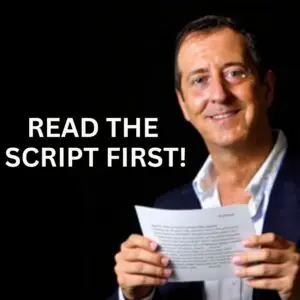
The single most underutilized advantage of working with a veteran film composer is bringing them in at the script stage. Early involvement means thematic architecture is engineered before a frame is shot and your music budget is planned before costly surprises emerge in post-production.
Hans Zimmer’s early collaboration with Nolan on Dunkirk allowed the film’s entire editing rhythm to be built around the musical tension Zimmer was developing. That integration could not have happened at picture lock.
A veteran film composer thinks across the entire film — not cue by cue. They plant musical ideas early that pay off dramatically late. The most powerful musical moments are often the ones the audience never consciously notices. This is structural scoring.
Bernard Herrmann’s strings in Psycho form a precisely engineered psychological system — specific intervals carrying meaning that accumulates invisibly until it detonates in the shower scene.
A veteran film composer who has worked across genres brings something a specialist cannot: the ability to find the unexpected sound right for your specific film. My work spans orchestral drama, silent film restoration, horror, indie features, television, and commercial music. I approach every project without a formula — only a process.
Junkie XL’s score for Mad Max: Fury Road succeeded because he resisted every conventional action-film instinct and built something as relentless and mechanical as the film’s own vision.
The best veteran film composers today are fluent in both the full orchestral tradition and modern music technology — delivering orchestral scope and emotional depth at a fraction of traditional studio cost without sacrificing craft.
Professional DAWs, high-fidelity sample libraries, and remote collaboration platforms now allow a veteran film composer to deliver world-class work anywhere — on an independent film budget. The technology changed. The musical judgment required to use it well did not.
The Bottom Line
By integrating a veteran film composer’s perspective early and thoughtfully, you do not simply add music to your film. You add a creative collaborator who hears what your story needs before you can name it. That is the difference between a score that fills a film and one that defines it.
The right composer for your film is not the one with the most impressive reel. It is the one who, after reading your script, hears something in it that you have not yet been able to name.
These seven principles are drawn from decades of working with directors at every stage of production — from script consultation to final mix. The filmmakers who apply them consistently make better films — because the score is designed from the ground up to do exactly what their story needs.
If you are in pre-production on a feature or series and want to explore what veteran film composer collaboration actually looks like in practice — that conversation starts with your script.
Christopher Caliendo
Consults on independent features and television at any stage of production — starting with the screenplay.
christophercaliendo.com
· 818.261.9530